
Fire provides warmth, water purification, signalling capability, and a meaningful psychological anchor in emergency situations. The ability to start one without manufactured tools — matches, lighter, ferrocerium rod — is one of the more demanding primitive skills to develop, and one of the most satisfying when it works.
Central European conditions are not always forgiving. Poland's climate means wet springs, damp autumn forest floors, and periodic rainy stretches in summer. The techniques and material choices described here account for these conditions.
The Mechanics of Fire
Fire requires fuel, oxygen, and heat at the right temperature threshold simultaneously. Friction-based methods generate heat through mechanical action — but generating an ember is only the beginning. That ember must be transferred to tinder that can catch, held in place long enough to grow, and then fed with graduated fuel until self-sustaining combustion is established.
The sequence: ember → tinder bundle → small kindling → medium kindling → fuel wood. Skipping any stage, or rushing any transition, is how fires fail.
Tinder: The Critical Variable
Tinder determines whether a friction-generated ember becomes a fire. It must be dry, fine-fibered, and capable of igniting from a small, low-temperature coal. In a Polish forest, reliable natural tinder includes:
Dry inner bark
The inner bark of lime (lipa), clematis, and dry dead birch peels into fine fibres when worked between the hands. The outer bark of silver birch contains oils that aid ignition even in damp conditions — a genuinely useful property that makes birch one of the most valued fire-starting trees in northern Europe.
Dry grass and reed heads
In late summer and autumn, dried grass seed heads — particularly reed (trzcina) and cattail (pałka wodna) — form excellent tinder bundles. The cattail's fluffy seed head ignites with minimal heat. The challenge is keeping it dry; pack it in a sealed container if rain is possible.
Amadou fungus
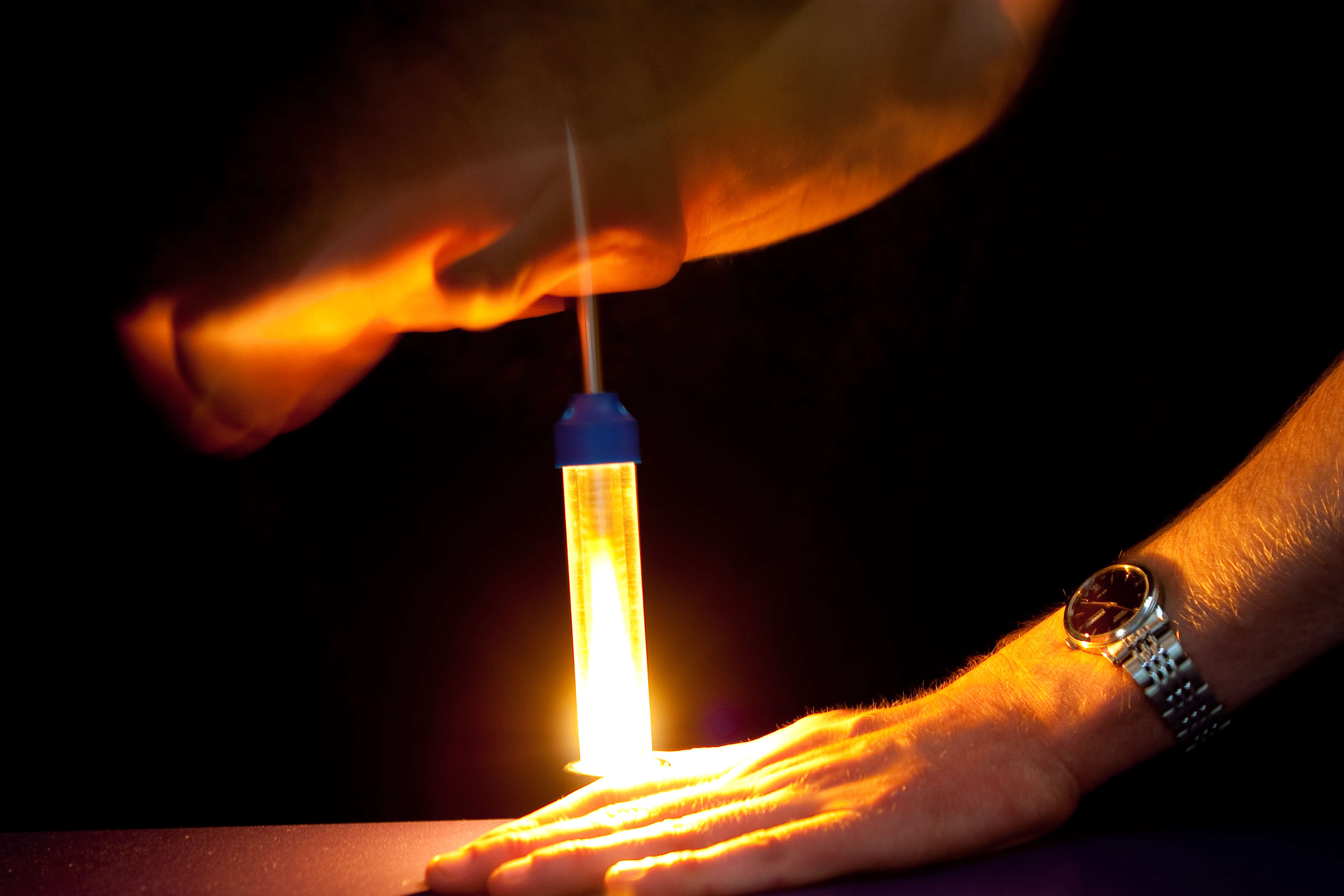
The inner layer of horse hoof fungus (Fomes fomentarius) — the thick, shelf-like bracket fungus found on birch and beech throughout Poland — has been used as tinder for thousands of years. The inner spongy layer, dried and processed by pounding, catches a coal and smoulders reliably. It does not flame but carries a coal long enough to be transferred.
Dry dead material
Dead leaves, dry pine needles, and fine shredded dry wood all work as tinder components. The rule: anything that crackles and breaks crisply when bent between the fingers is dry enough to consider. Anything that bends without breaking is too moist.
The Bow Drill
The bow drill is the most learnable friction-based method for beginners. It uses mechanical advantage — the bow provides rotational speed, the handhold provides downward pressure — to generate sufficient heat.
Components
- Fireboard (hearth board) — a flat piece of dry softwood: hazel, lime, willow, or elder work well in Polish forests. Hardwoods — oak, beech — generate heat but resist carving. The board must be genuinely dry: moisture content above roughly 15% prevents reliable coal formation.
- Spindle — a straight, smooth stick of similar or harder wood to the hearth board, 30–40 cm long, pointed at the working end, slightly blunt at the top.
- Bow — any curved branch 50–60 cm long with a bowstring (paracord, twisted plant cordage, a shoelace) at moderate tension. The spindle sits in a single loop of the string.
- Handhold — a hard, smooth piece of wood or stone with a socket for the spindle's blunt top end. Lubricate the socket with lip balm, pine resin, or ear wax to reduce friction at the non-working end.
- Notch and catch plate — cut a V-notch into the edge of the spindle socket on the fireboard. The coal forms here. Place a dry leaf or piece of bark beneath the notch to catch the coal without touching it with your fingers.
Technique
- Kneel with one knee on the ground. Place the fireboard flat with your forward foot holding it still against the ground.
- Lock the wrist of your handhold hand against your shin. This keeps the spindle vertical and prevents it from wandering.
- Draw the bow back and forth steadily — smooth, full strokes, not fast jerky ones. Speed matters less than consistency and downward pressure.
- Watch for smoke. When it becomes continuous and thickens, maintain pressure for 10–15 more strokes, then stop.
- Tap the board gently to dislodge the coal onto the catch plate. Transfer it carefully to the tinder bundle.
- Hold the bundle loosely around the coal and blow slowly and steadily into it. The coal should grow; the bundle will begin to smoke heavily. Continue blowing — increasing in speed as combustion builds — until flame appears. Hold the flaming bundle away from your face as it ignites.
The bow drill is a skill. Reading about it is the beginning; actual practice before you need it is the only thing that counts. An hour of practice with the right materials in your garden is worth ten hours of reading.
The Hand Drill
The hand drill uses no bow — just hands rolling the spindle between the palms while moving them steadily downward. It is faster to set up but physically harder to execute, particularly in cool or damp air when hands lose grip. It works best with specific wood combinations: mullein (Verbascum) or elder (Sambucus) spindle on a willow or lime fireboard.
Fire Lays
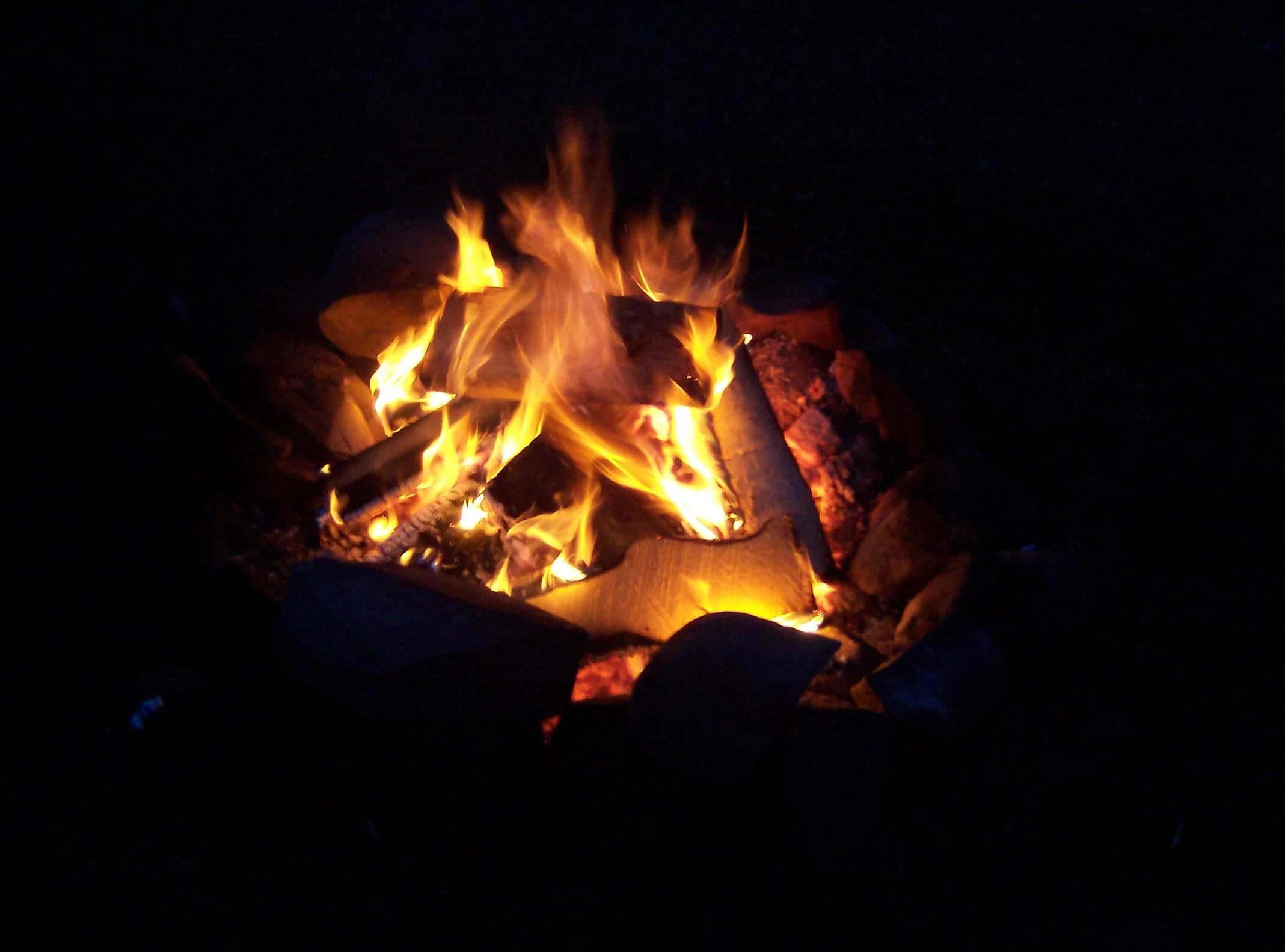
How you arrange fuel determines how a fire behaves. The two most practical lays for field conditions:
Teepee lay
Lean small kindling pieces around the lit tinder bundle in a cone shape, leaving gaps for airflow. As these catch, add progressively larger pieces in the same pattern. The teepee concentrates heat upward, dries adjacent fuel, and burns hot and fast — good for getting a fire established quickly or boiling water. It burns down faster than other lays.
Log cabin lay
Stack pairs of parallel logs at right angles to each other in successive layers, with tinder and fine kindling in the center. Burns longer than a teepee and produces a bed of coals useful for sustained warmth or cooking. Takes slightly longer to get going.
Working in Damp Conditions
In wet Polish weather — which can persist for days — the key principle is working inward. The outer surfaces of wood absorb moisture; the interior remains dry longer. Split any piece of wood along its length and use the exposed interior surface for the fireboard. The split surfaces of a log, even after an overnight rain, are often dry enough to use.
Process dry materials indoors — in a shelter or under a tarp — before attempting to start fire. Wind disperses heat; build a windbreak of logs or pack equipment before attempting a friction fire in any breeze.
Foraging Connection: Edible Plants Near Camp
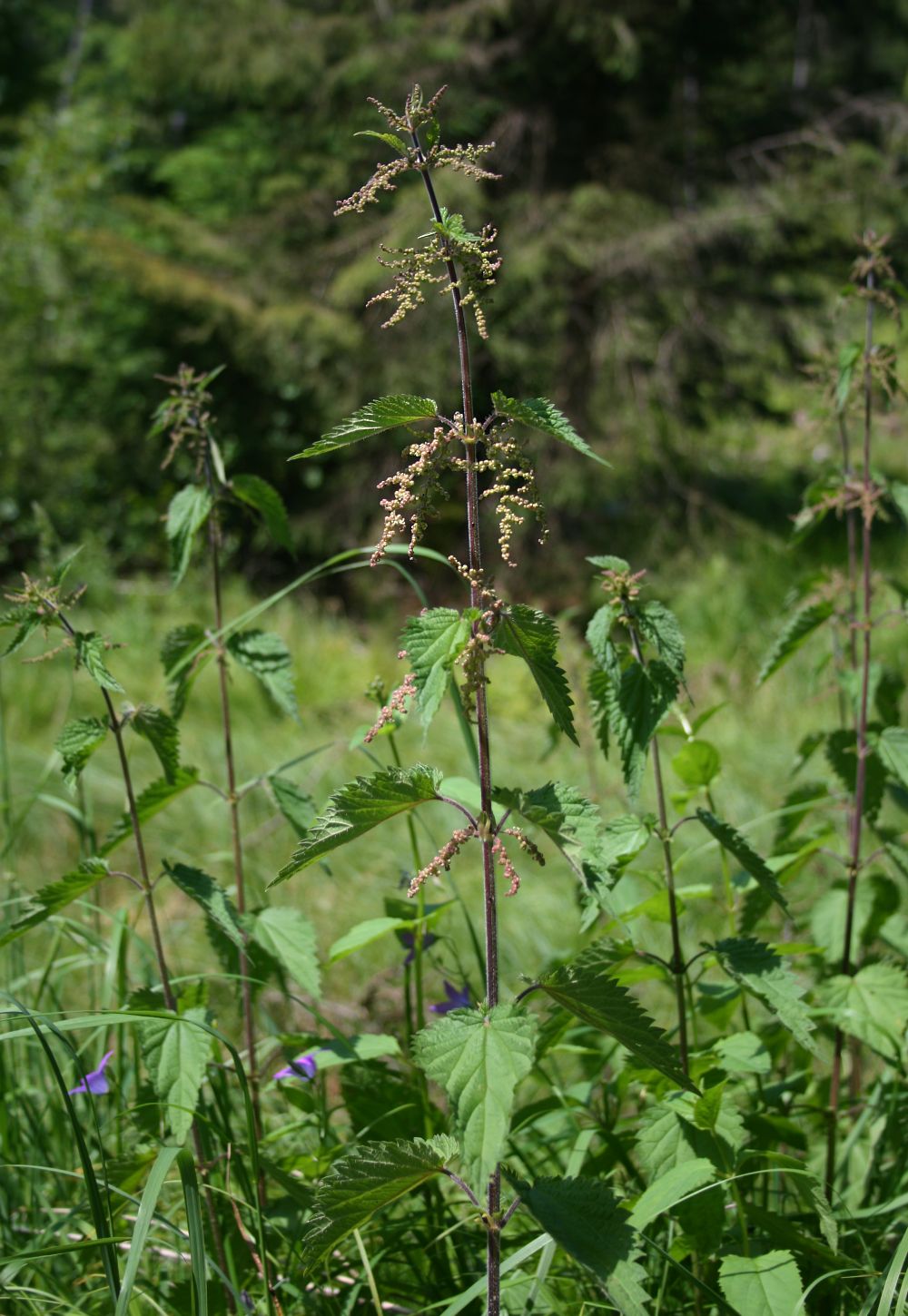
While gathering tinder and firewood, it is worth noting that nettles (Urtica dioica) — identifiable by their distinctive stinging leaves — grow abundantly across lowland Poland and provide a nutritious cooked green. They also yield bast fibers useful for cordage when processed. The connection between fire-gathering walks and plant knowledge is practical.
External Reference
The Woodland Trust publishes accessible notes on fire-starting materials in European woodland. For Polish regulations on open fires in forests, refer to the current guidance from Lasy Państwowe — open fires are prohibited in State Forests except at designated sites.

